The main public section

Sleaford

A market town in Lincolnshire, photographed and researched through a period of visible change. The work follows the town's transition — its Market Place, shopfronts, landmarks and everyday life — and keeps the evidence trail open enough to question.

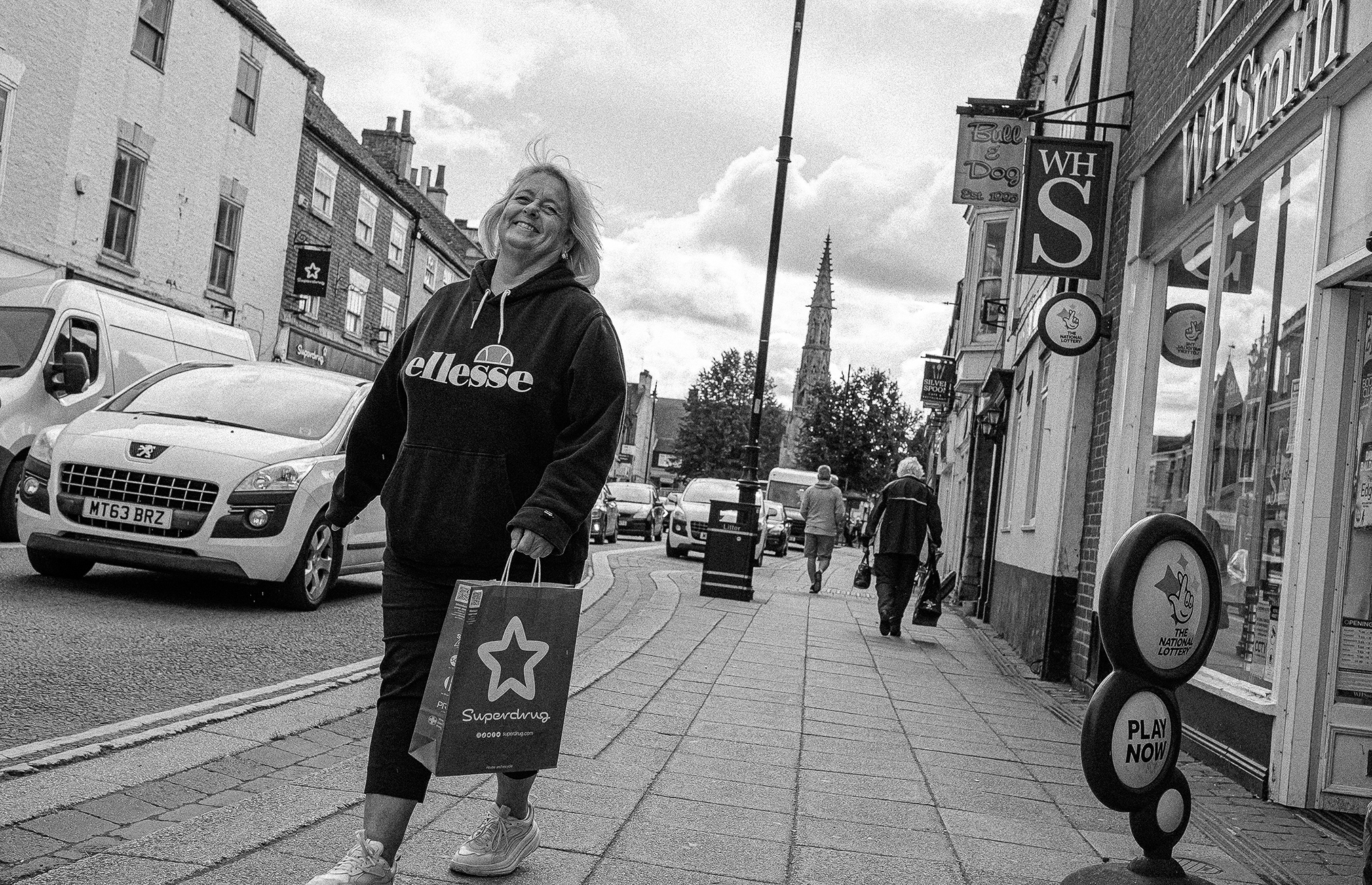
Shopper walking down Sleaford Southgate near WH Smith
Sleaford Southgate
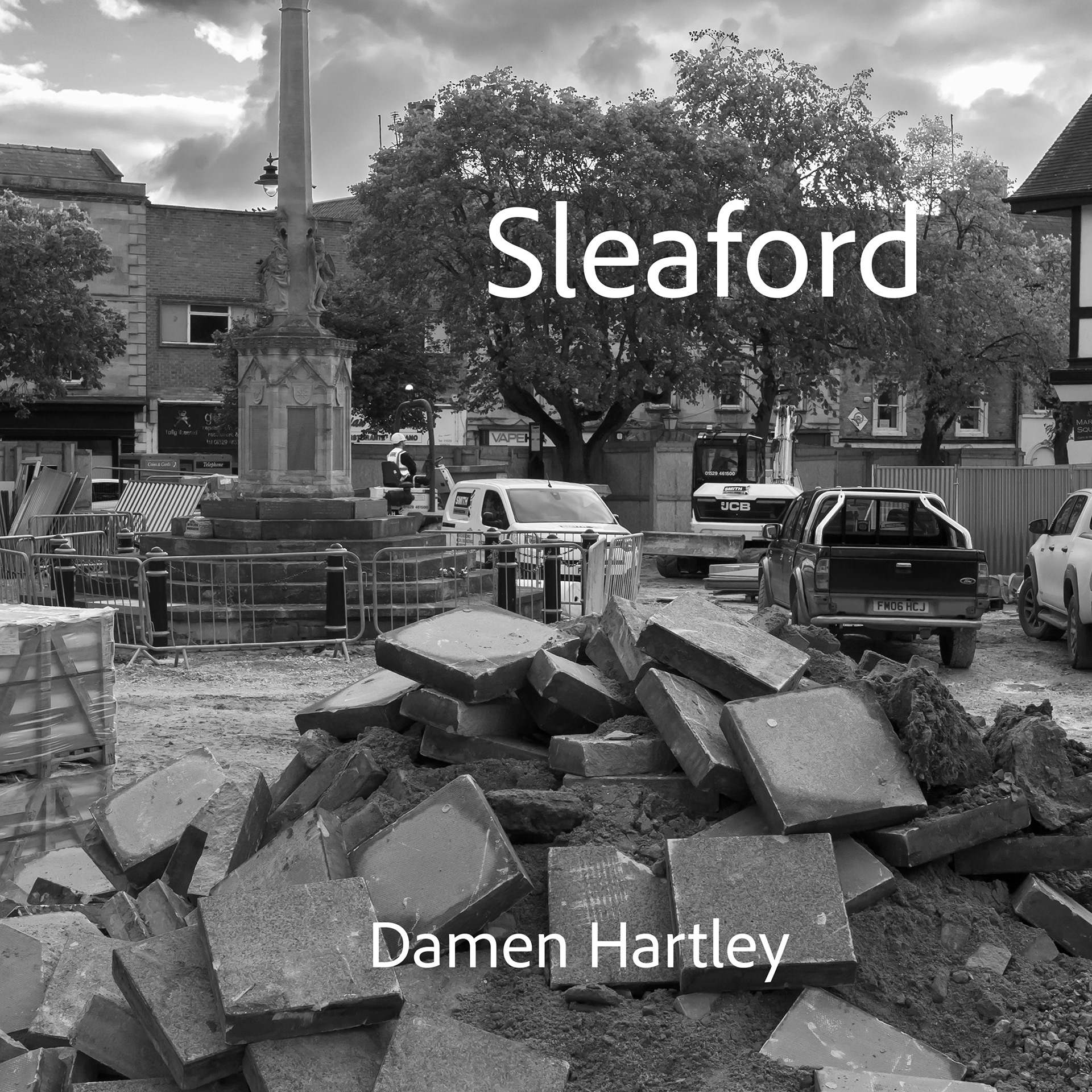
Cover of Sleaford by Damen Hartley, showing Sleaford Market Place during public works
Cover image from the first Damen Hartley Sleaford photobook.

First book

Sleaford: A Town in Transition

The first Damen Hartley photobook sits at the beginning of this public project: a 103-page paperback study of Sleaford's changing identity, moving between postcard colour, black-and-white street observation and quieter atmospheric work.

Paperback 103 pages Published 31 Oct 2024 ISBN-13 979-8341042285

The town in transition

A £1m Market Place, deferred twice

Sleaford's Market Place regeneration became a genuine public controversy: a council vision for a refreshed public realm met by objections over access, parking, business survival and heritage identity. The £1m revamp was deferred after objections in November 2023, deferred again in December 2023, approved in January 2024 and then built through the second half of 2024. WinterLight, on 21-22 December 2024, became the first major public test of the newly refurbished square. The work documents the official vision, the public resistance and the lived result side by side.

Public essay candidates

First public essays

The Market Place writing now starts from a dated sequence rather than a first impression: July 2023 vision, November and December 2023 deferrals, January 2024 approval, July 2024 car park closure, December 2024 WinterLight, 2025 event use and the March 2026 LGC shortlisting. That lets the essays stay photographic and observant without becoming a council brochure.

From Car Park to Civic Stage

The Market Place moved from parking and market routine into a pedestrian public square. WinterLight tested that promise on 21-22 December 2024, including the synthetic ice rink from 2pm-7pm on Saturday and 11am-4pm on Sunday.

Objection, Access and Everyday Use

The planning dispute did not vanish when the paving was finished. Disabled access, church access, lost central parking, traders, deliveries and older visitors remain part of the story of whether the square works on ordinary days.

When Sleaford Sees Itself

The Midsummer Festival photographs opened a public-life strand: pride, local talent, missed communication and the possibility of people portraits with interviews.

Open the feature →

Sleaford 1940s Day

A high-summer show of costume, nostalgia, food, music and people who wanted to be photographed: social behaviour in Sleaford, 2026.

Open the gallery →

Photographic rooms

The archive wall

Landmarks & memory

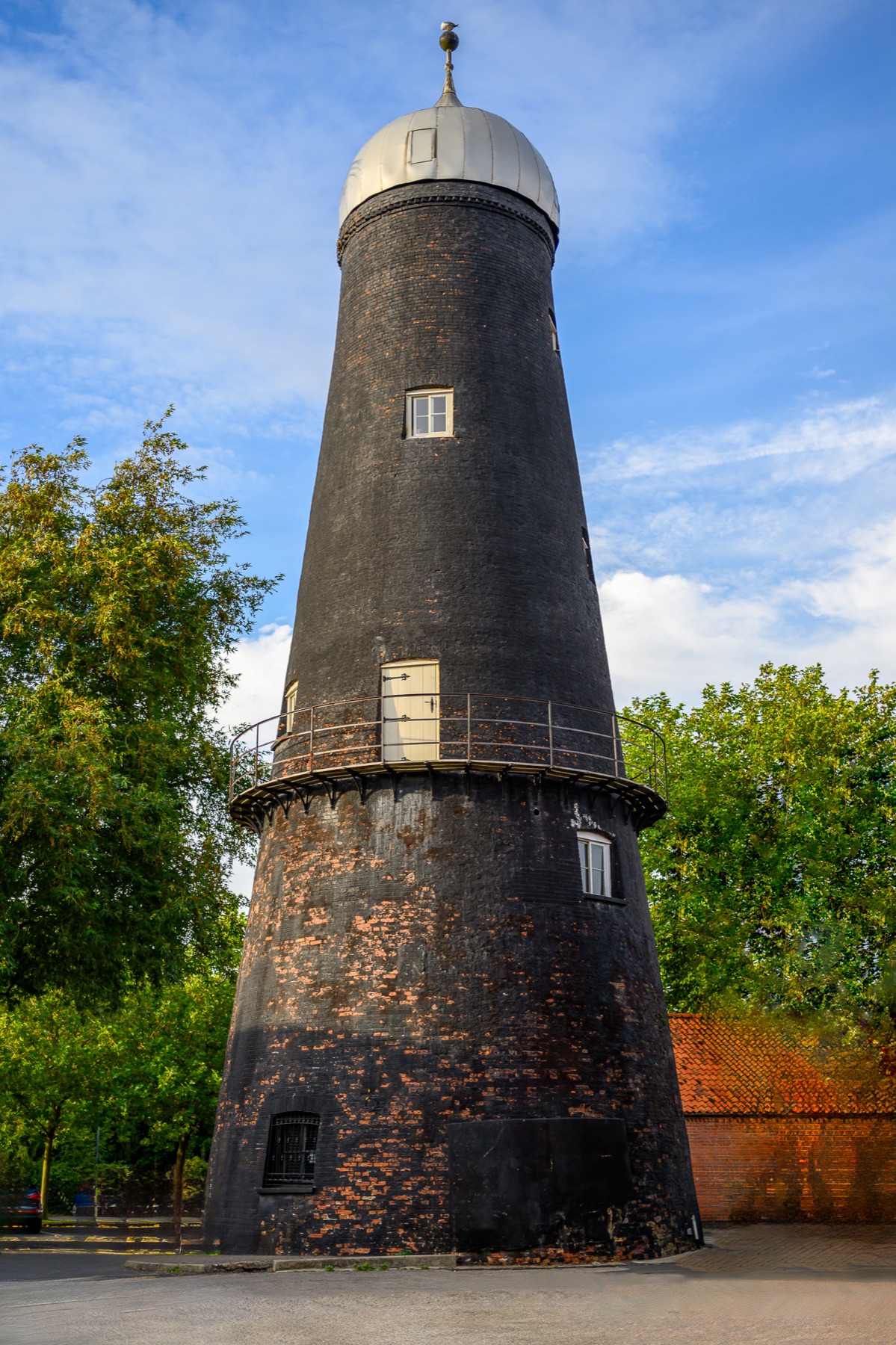
The windmill, civic buildings and older surfaces held as evidence rather than nostalgia.

Lines of arrival

Railway platforms, crossings and routes — the places where the town opens, waits and moves.

Still places

Courtyards, paths and green edges where the looking slows down and settles.

Historic windmill landmark in Sleaford

Method in public

Show the dead ends too

Some sources are blocked, partial or unverified. Rather than hide that, the public research shows its gaps and the leads still to be revisited — building trust by making the process visible. The full method and the living opinion log sit behind the research, with summaries surfaced here.

Evidence promise

The town leads the research.

  • Public claims need public sources. Council statements, planning records, news reports and photographs are kept distinct.
  • Opinion is treated as material, not proof. Local voices matter, but they are not made to carry more certainty than they can bear.
  • Photographs are evidence and interpretation. Captions should say what is known, what is inferred and what still needs checking.
  • Colour is never the only signal. Labels, headings and position carry meaning for all readers.
Publication rule: only summaries and selected, cited evidence go public first. Raw notes, dead ends, private journals and full transcripts stay protected. See the bibliography for current sources.