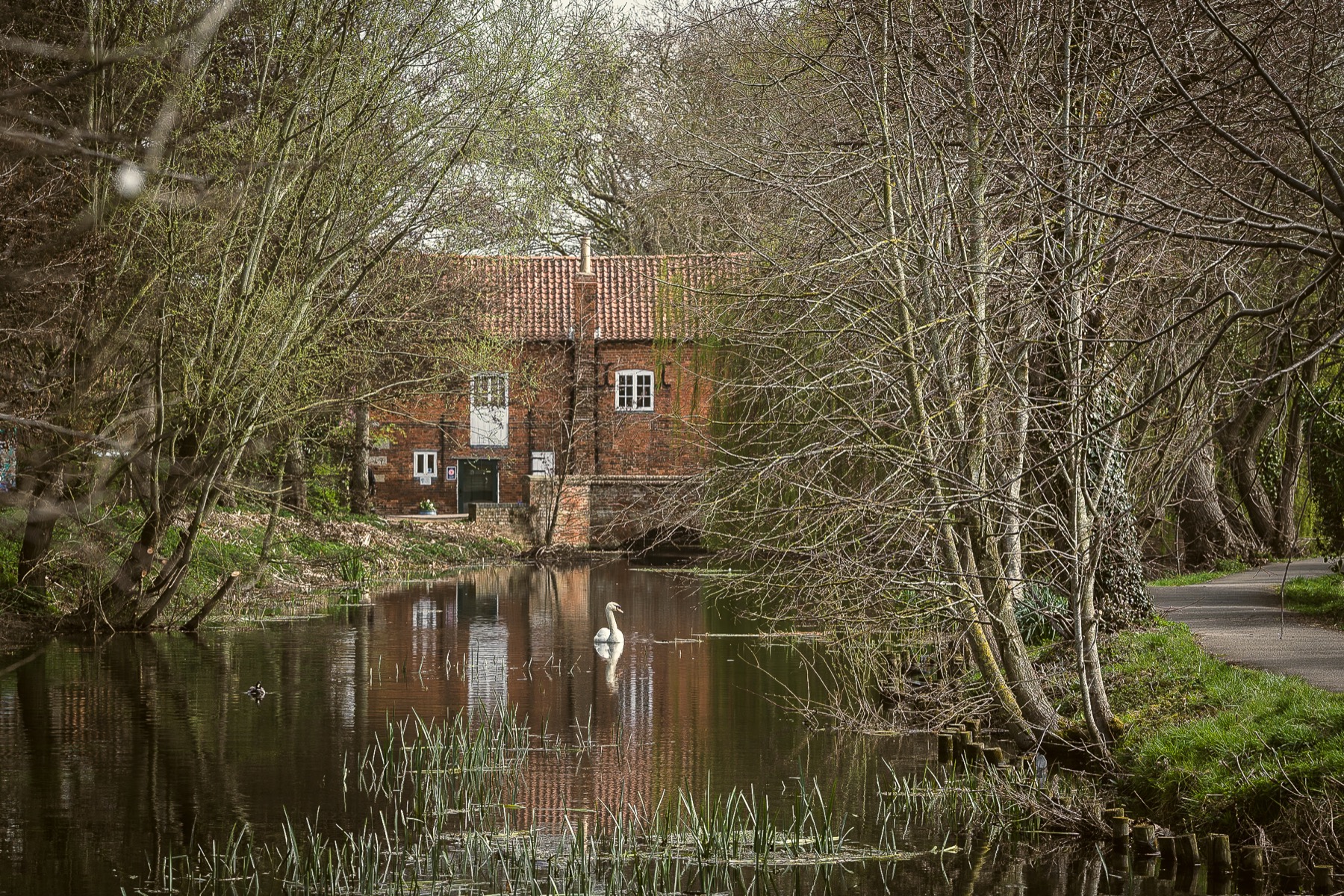
Cogglesford Mill
Water, grain, timber, iron, wildlife and the workings of a local landmark.
Landmark room
Sleaford's landmarks are not treated as postcard scenery. They are read as working evidence: water routes, public memory, craft marks, repaired surfaces and the familiar structures people navigate by without always naming them.
First full exhibit
The cabinet of looking
The room uses a cabinetmaker's logic: open one drawer and you see water; another, rope; another, iron, grain, timber or wear. The visitor can stay with the image, then choose whether to open the notes underneath it.
Room index
Water, grain, timber, iron, wildlife and the workings of a local landmark.
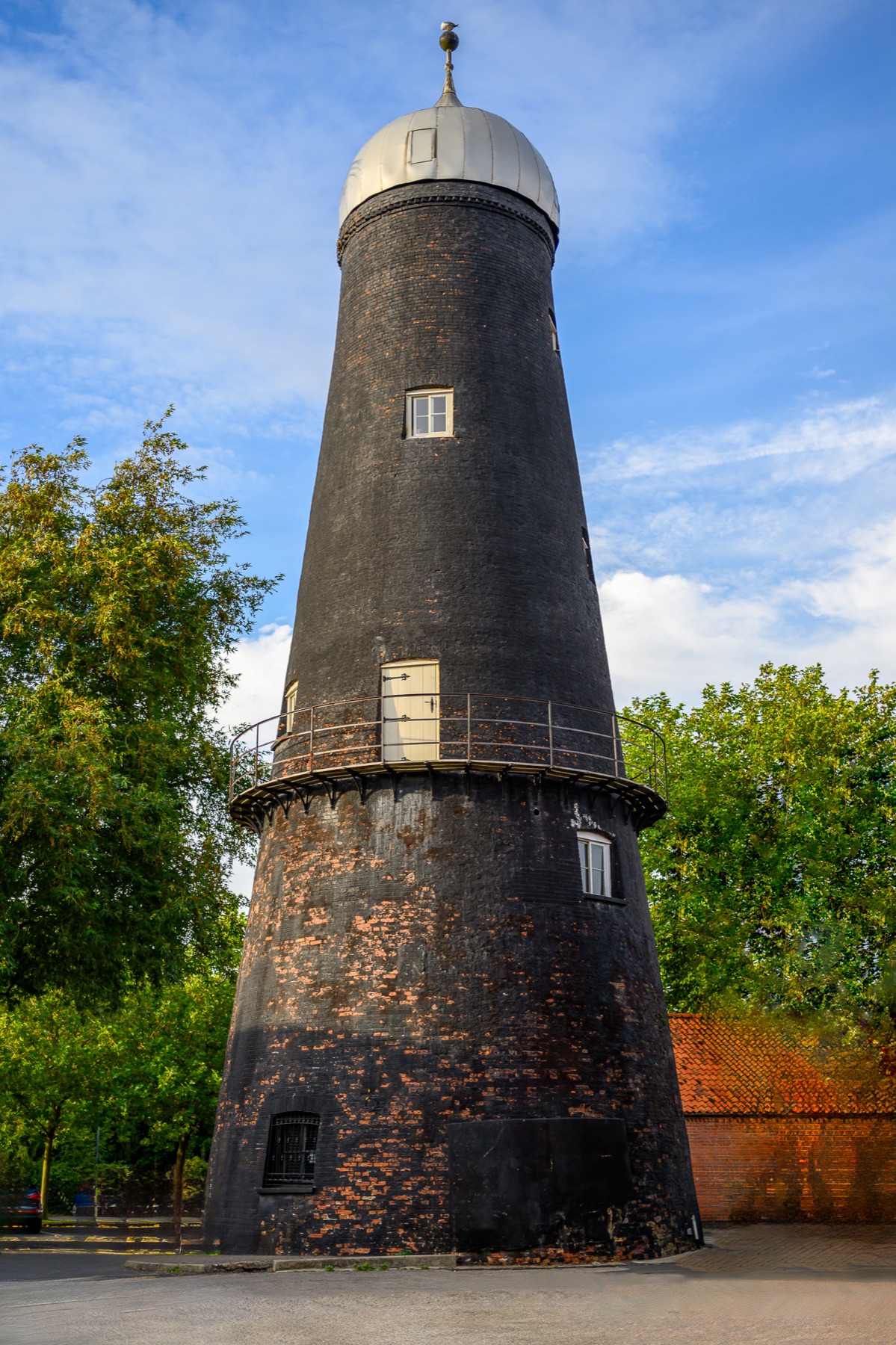
A visible marker of town memory, held here as evidence rather than nostalgia.
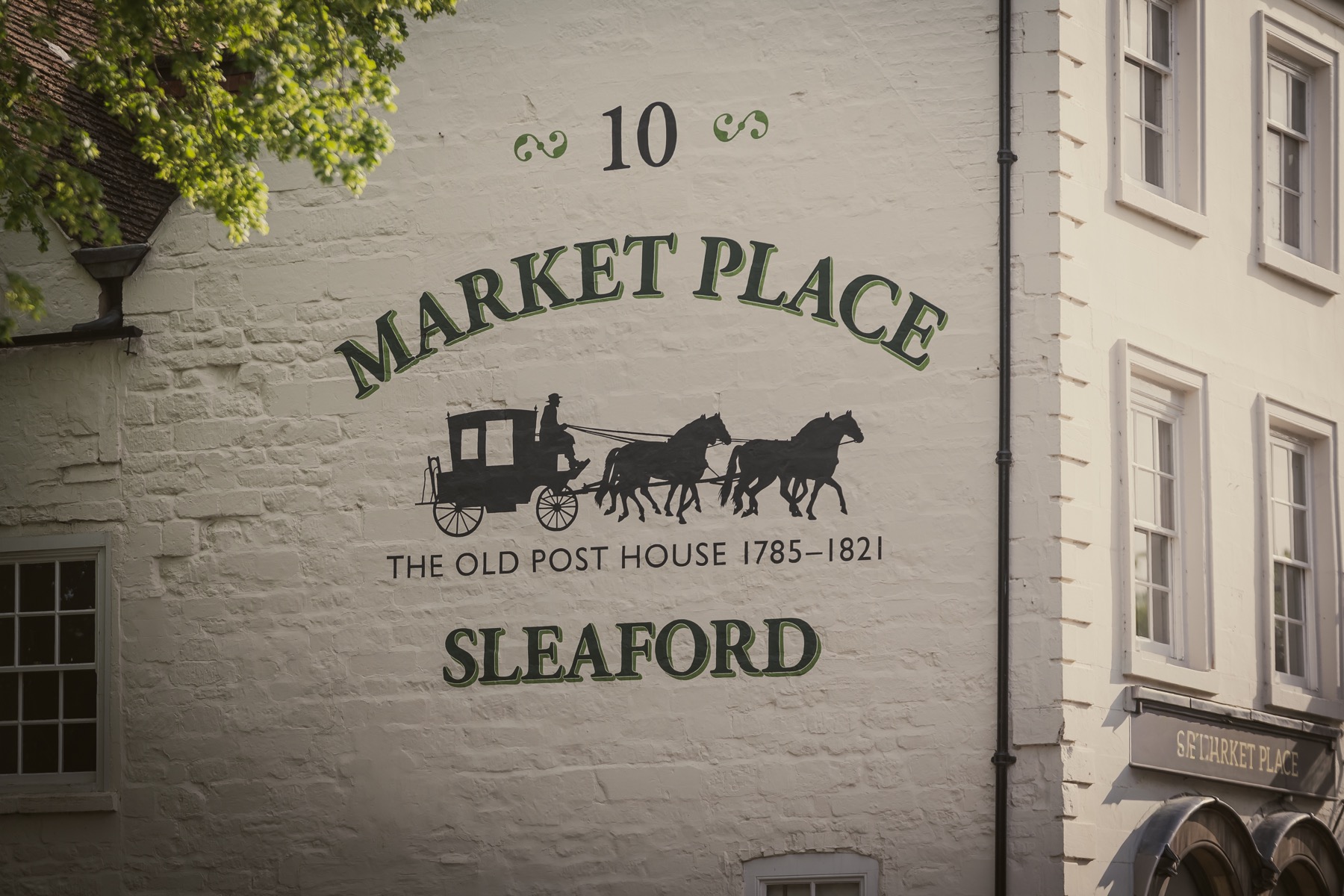
Public buildings, repaired fronts and the official face of the town.
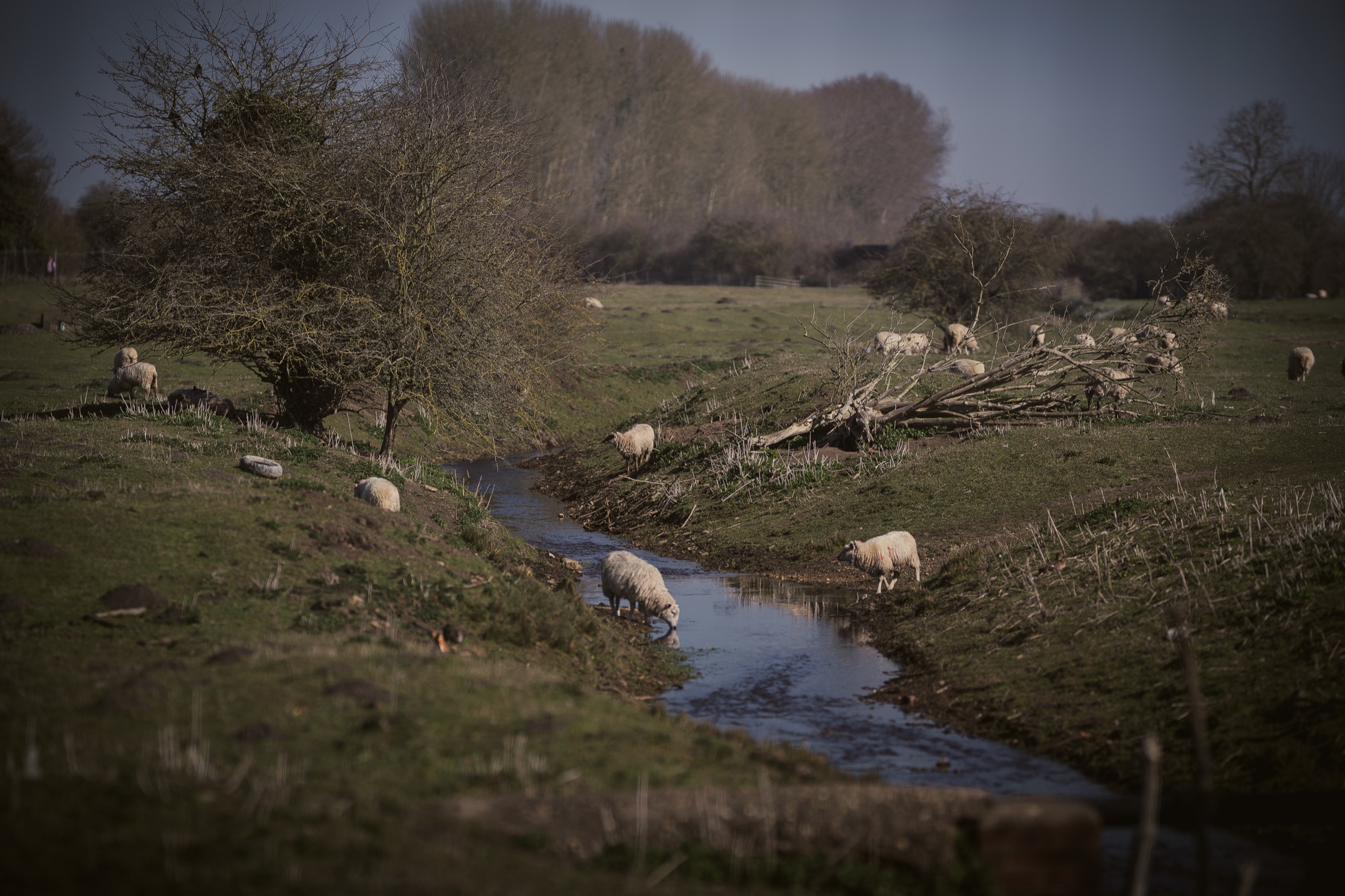
The water route that ties mill, navigation, wildlife and walking together.
Respect line
Visitor details, events, opening times, booking information and official images belong with Cogglesford Watermill, Heart of Lincs, North Kesteven District Council and Visit Lincolnshire. Damen Hartley links to those sources and keeps this room focused on photographic observation, local attention and clearly labelled research notes.