Photographic companion

Cogglesford Mill

Water, grain, timber, iron, wildlife and the quiet craft of a working landmark. This is not the official history of Cogglesford Mill; it is a Damen Hartley act of looking beside it.

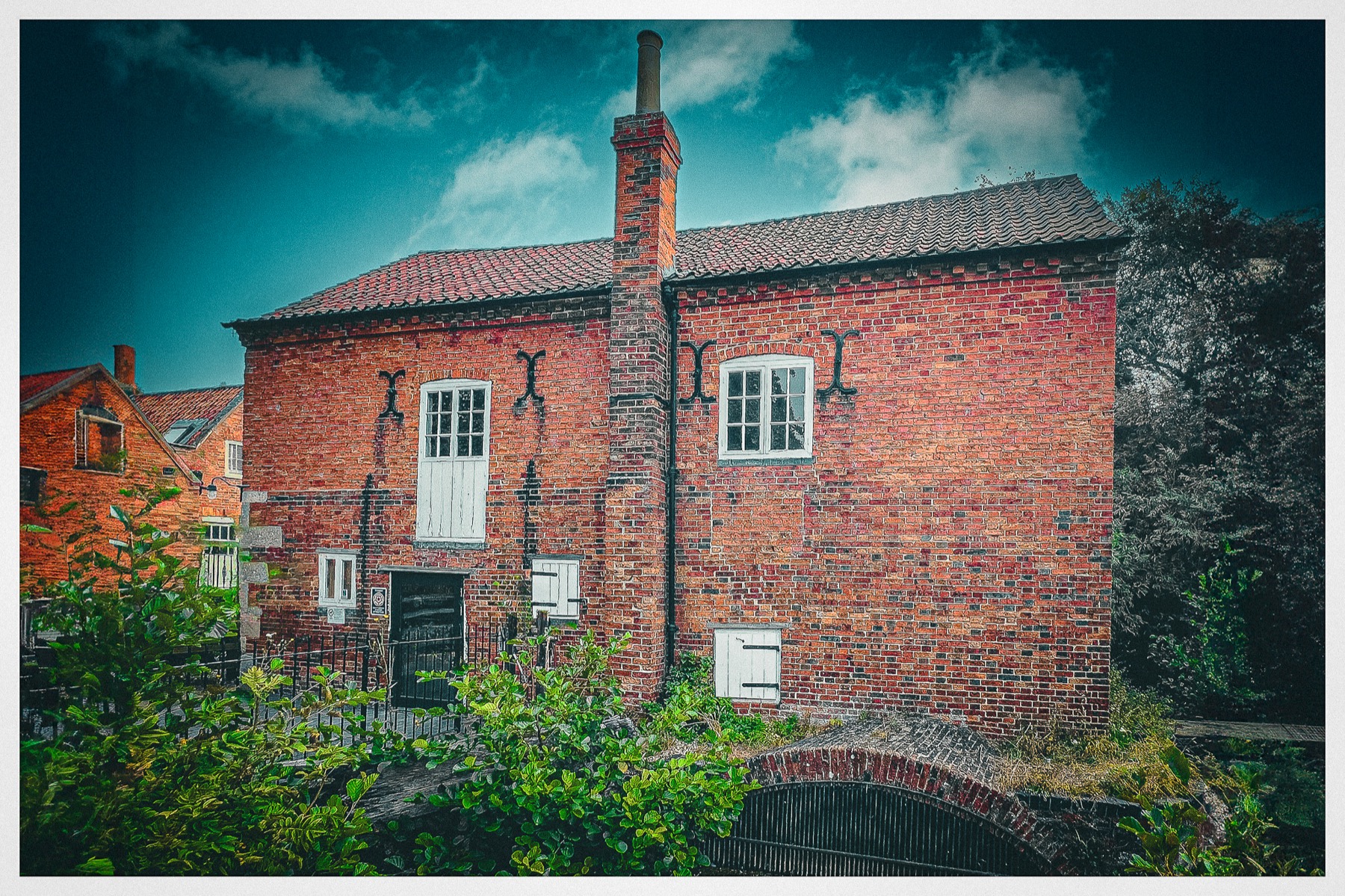
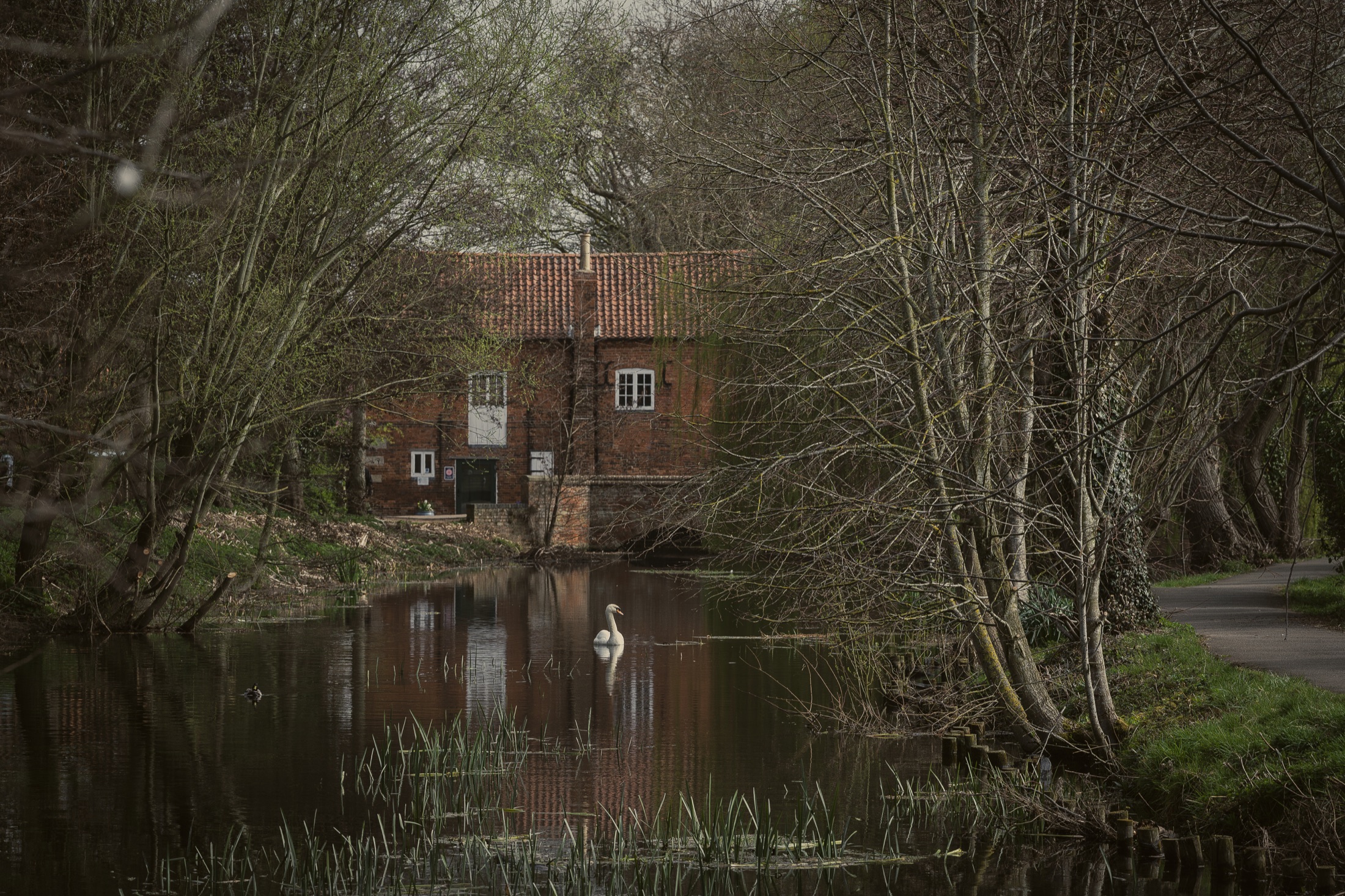
Cogglesford Mill caught in soft light beside the River Slea.
The mill in soft light: brick, water and the quieter edge of the landmark.

Look

The Slea leads you in.

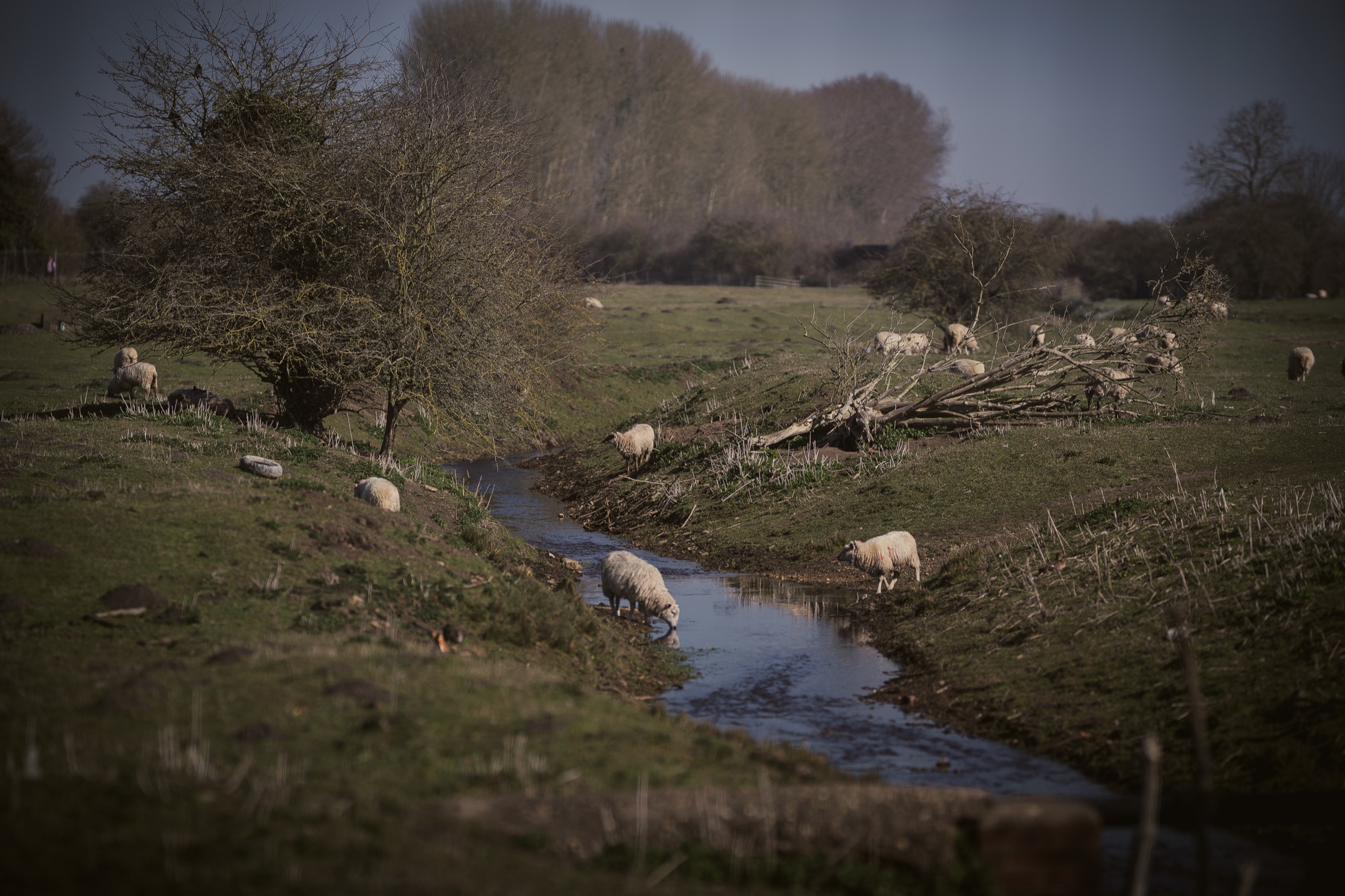
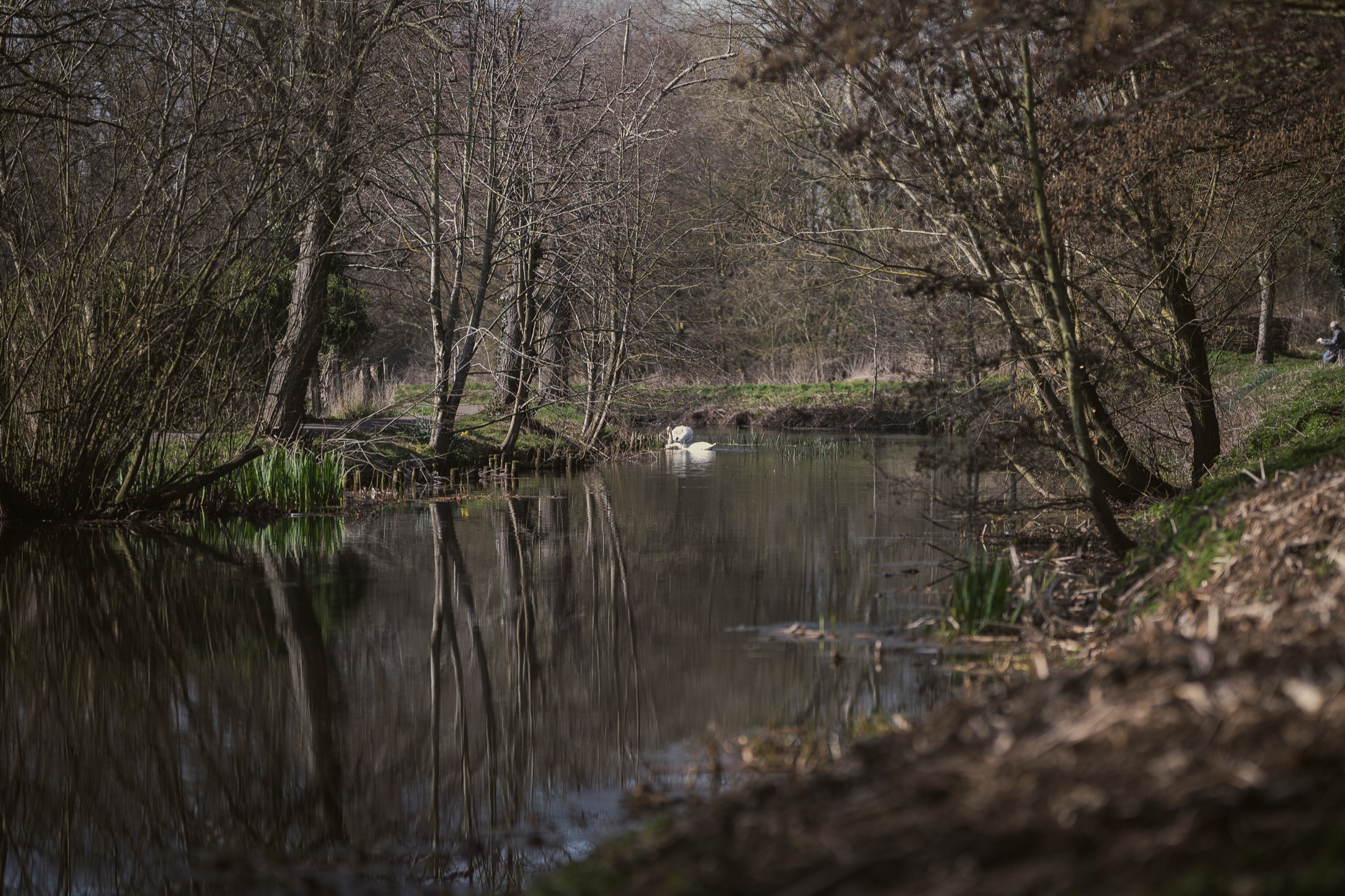
Before the machinery, there is the water. These three frames hold the approach: land, river, grazing, trees and the slower pace that makes the mill feel slightly apart from the street.

The River Slea running through open land with sheep nearby.
River, grazing and the town's softer edge.
A still reach of the River Slea bordered by winter trees.
The watercourse as a line of arrival.
A wider landscape view along the River Slea near Cogglesford.
The mill belongs to a corridor, not an isolated object.

Notice

The collaboration is part of the exhibit.

Damen Hartley brings the cabinetmaker's eye: timber, wear, joint, rope, iron, surface, shadow. Claw brings sorting, comparison, source discipline and the irritating habit of asking what can actually be evidenced. The result should feel human first, but more carefully held than a normal photo gallery.

Interactive cabinet

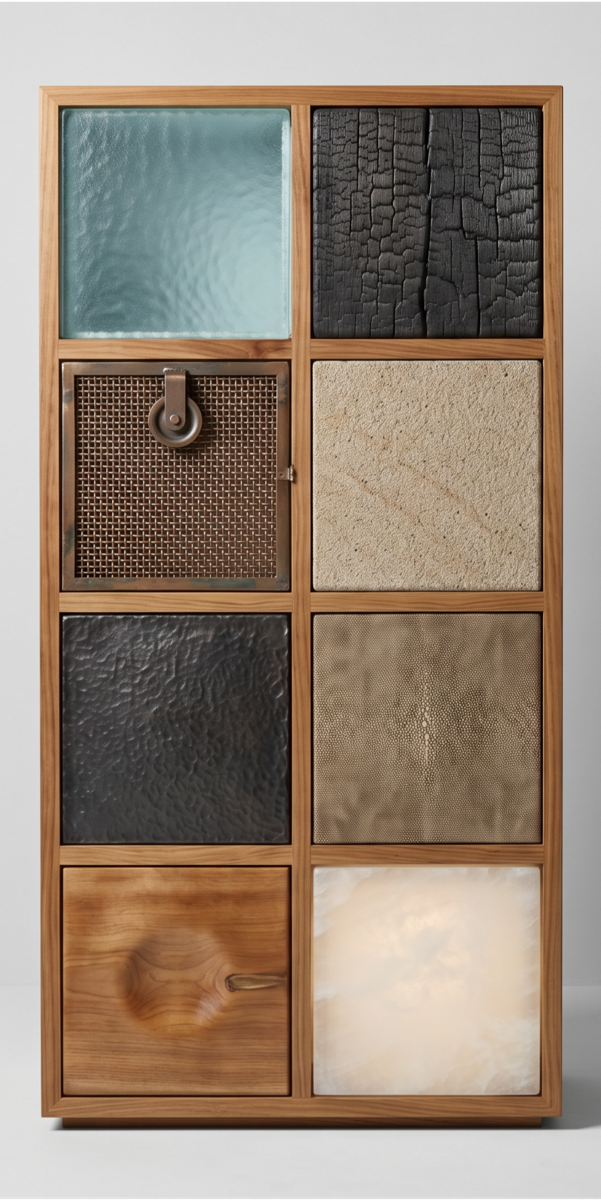
A Cabinet of detail

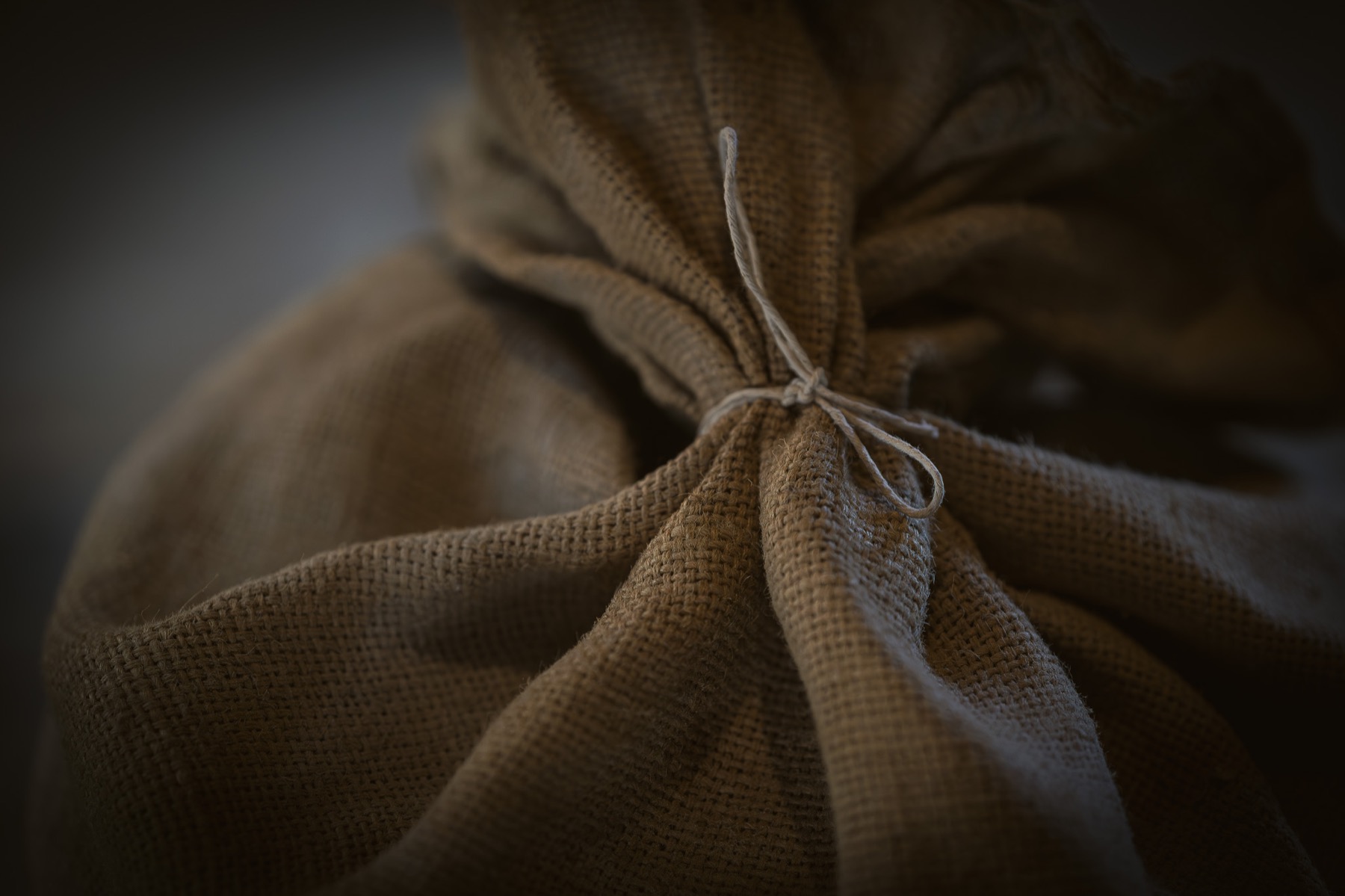
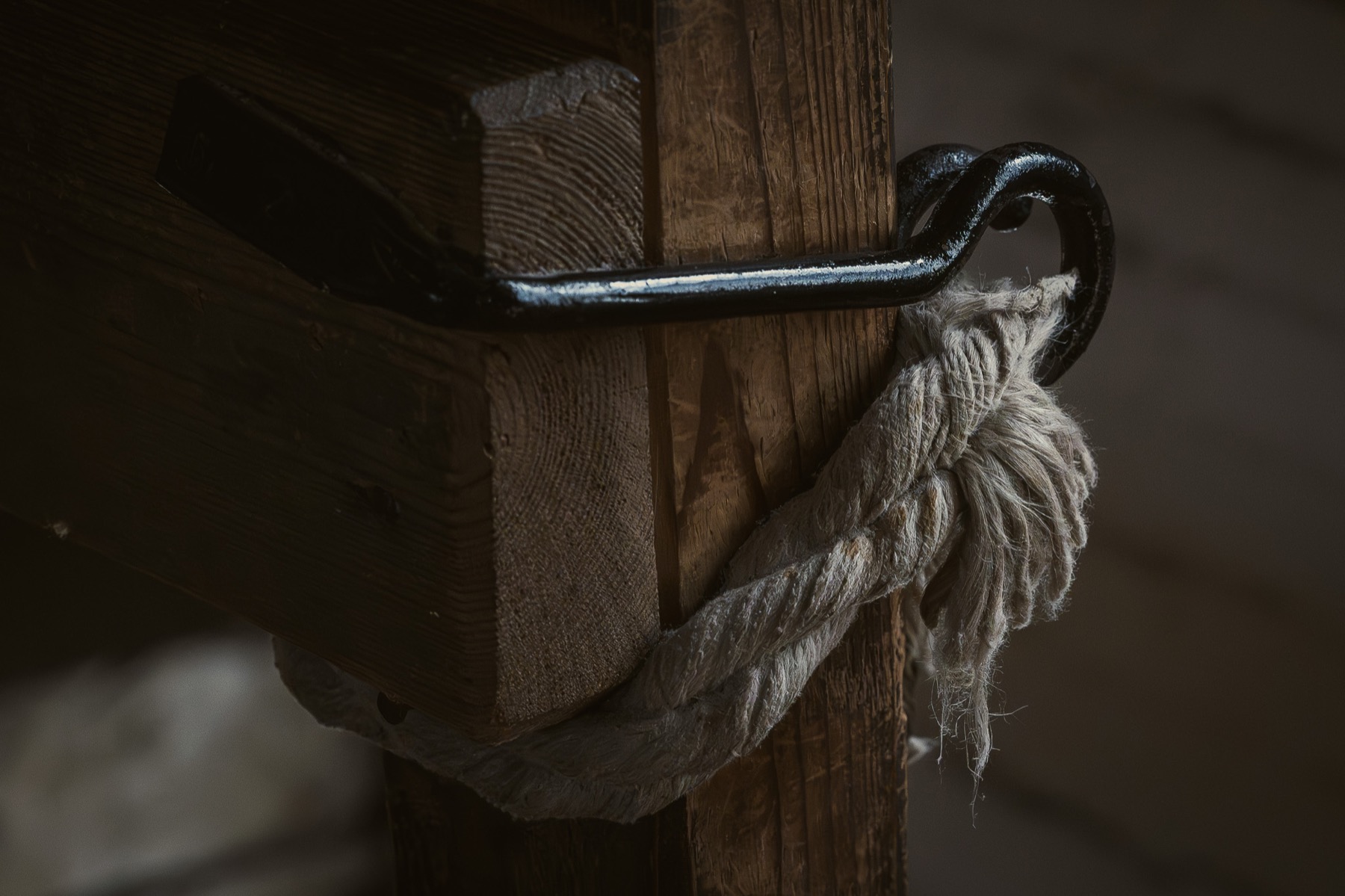
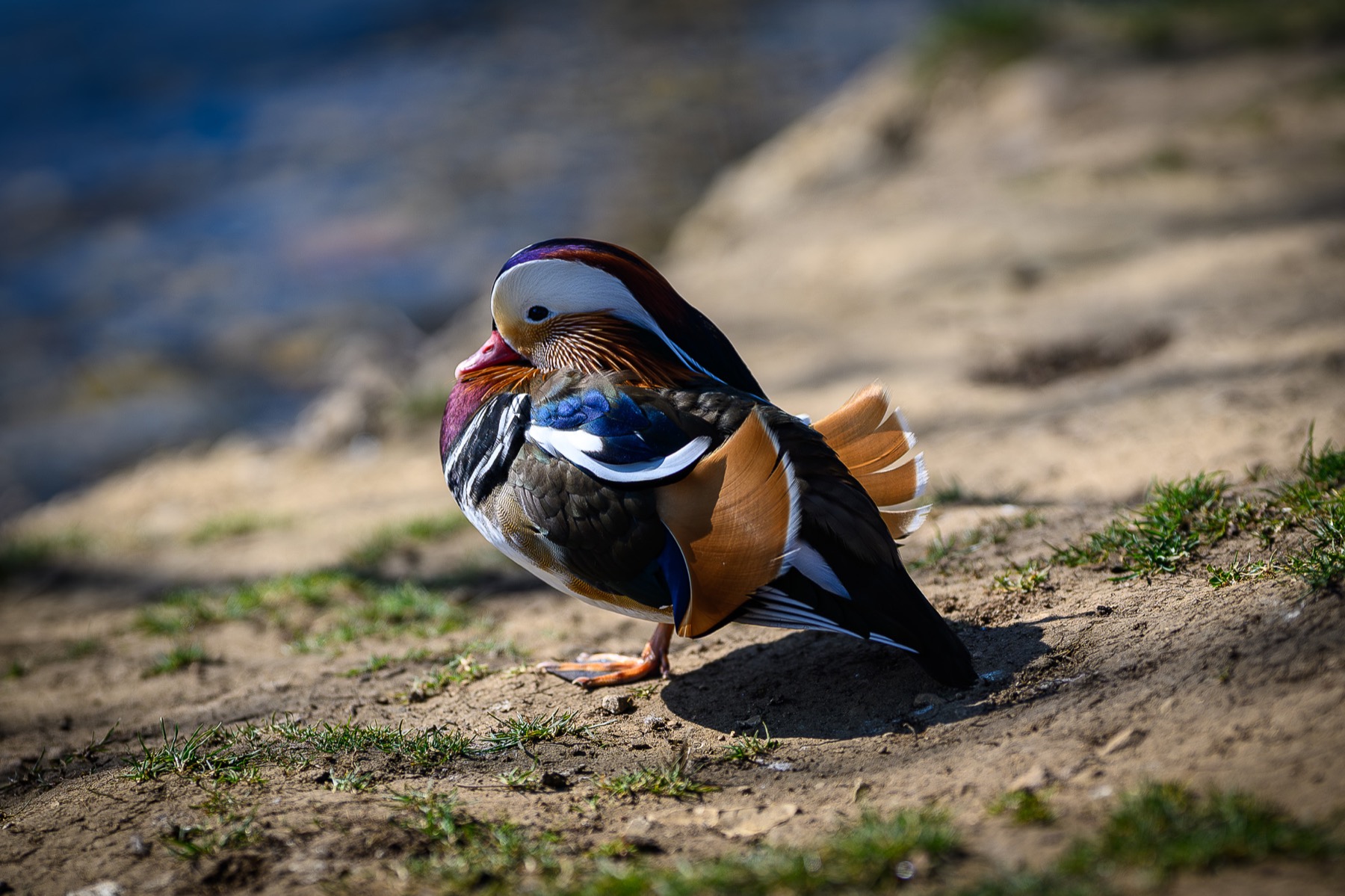
Eight drawers hold the mill as materials: water, timber, hoist way, grain, iron, wildlife, wear and light.

River and power

Water

The mill begins outside itself. The Slea is not background scenery; it is the moving line that explains why the building is here.
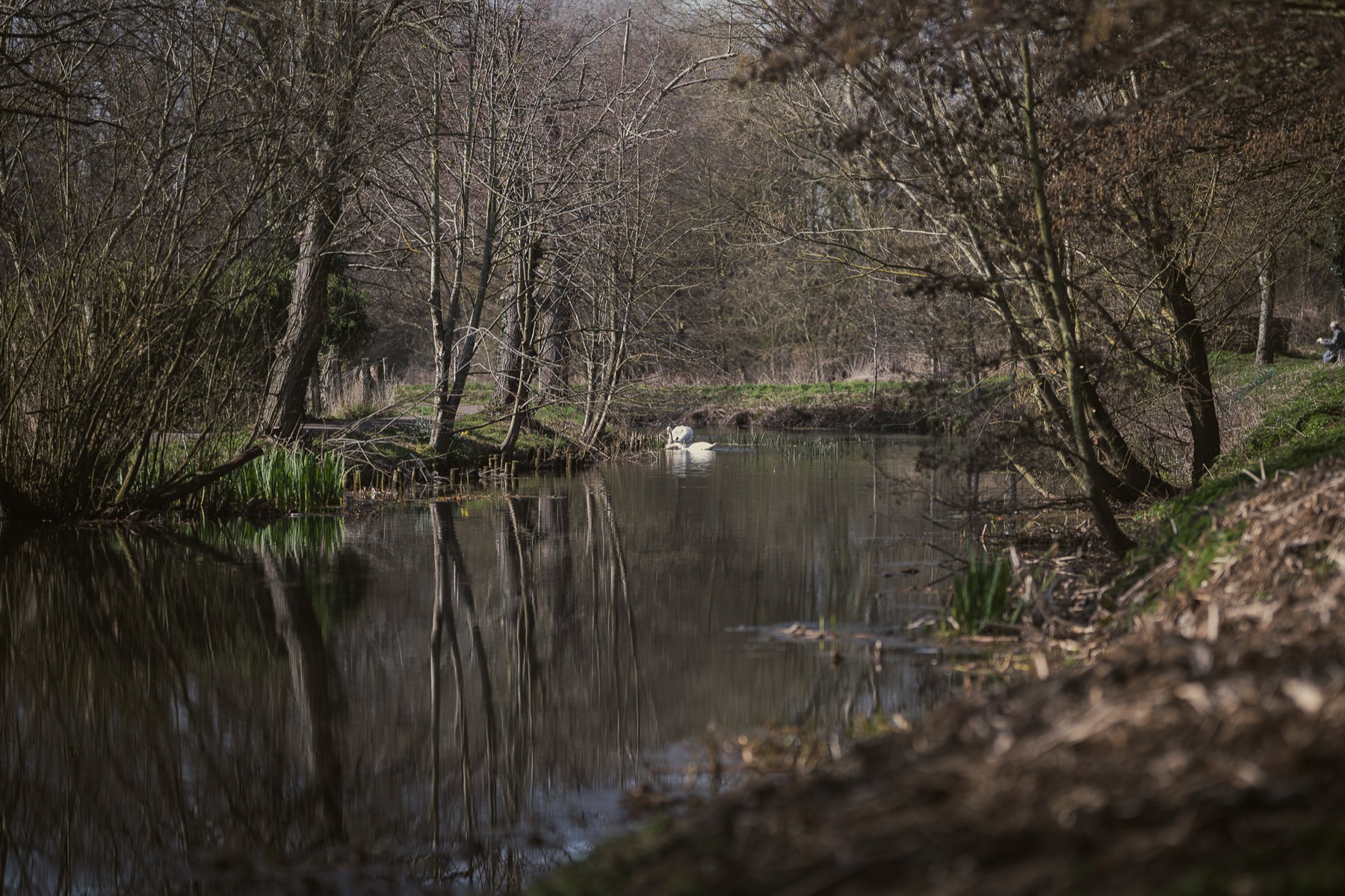
The River Slea running beside Cogglesford Mill.

The watercourse is both setting and mechanism.The watercourse is both setting and mechanism.

The mill begins outside itself. The Slea is not background scenery; it is the moving line that explains why the building is here.
Water selected.
Look again

Three notes from the collaboration

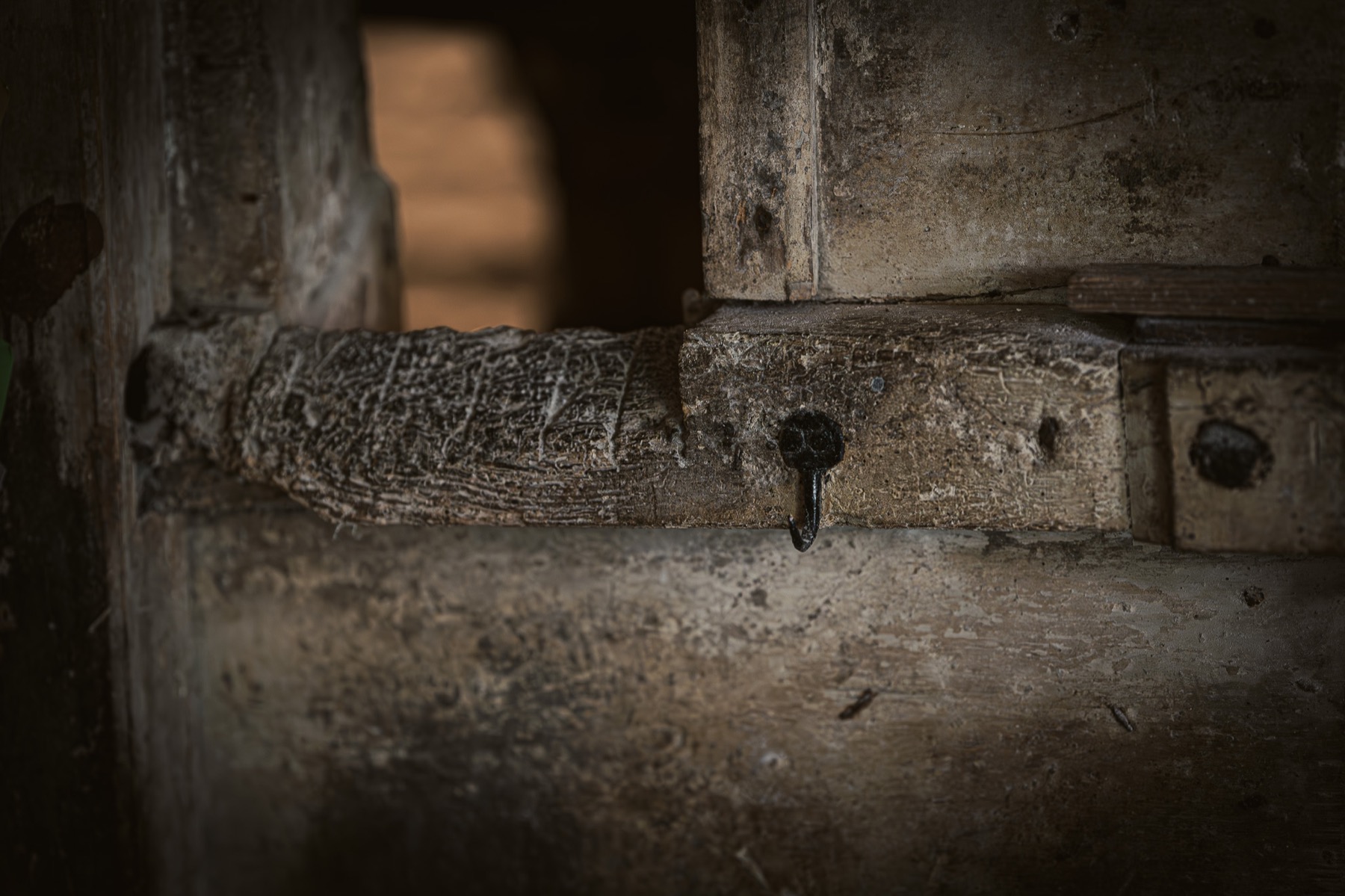
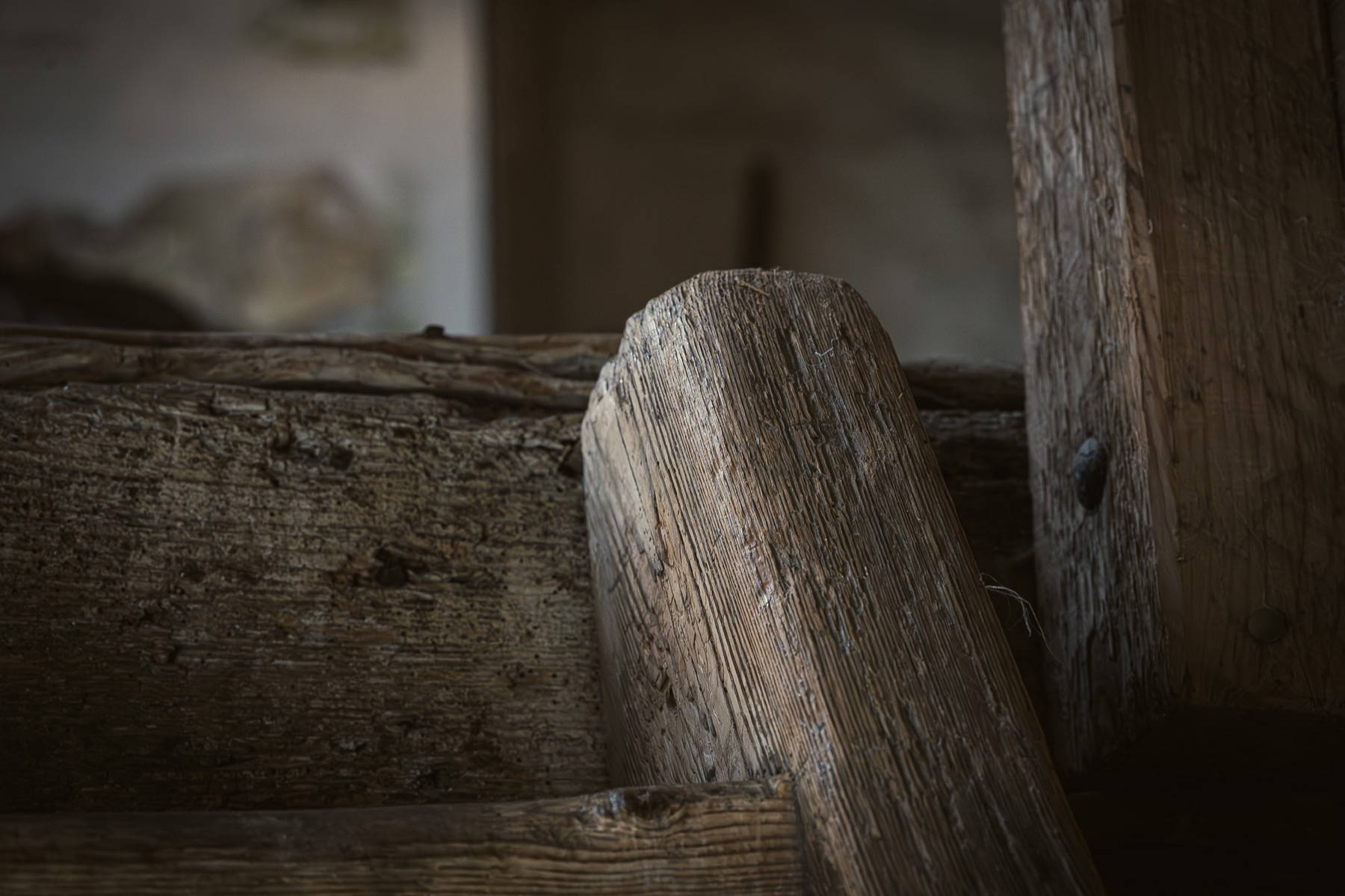
Close detail of timber and working surfaces inside Cogglesford Mill.

What Damen Hartley saw

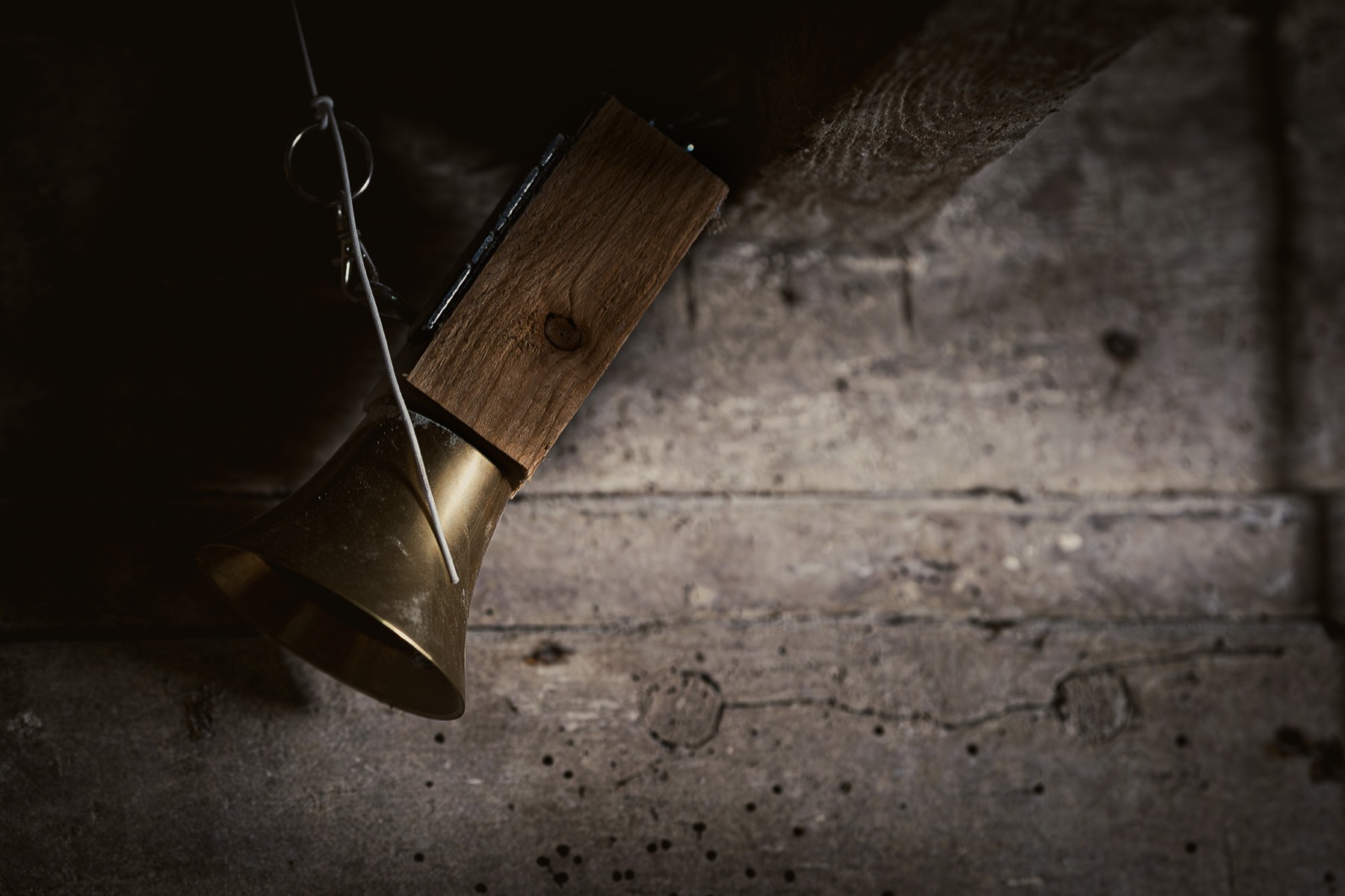
Material first: wood that has been handled, marked, darkened, repaired and kept in service. It is the cabinetmaker's way into the mill.

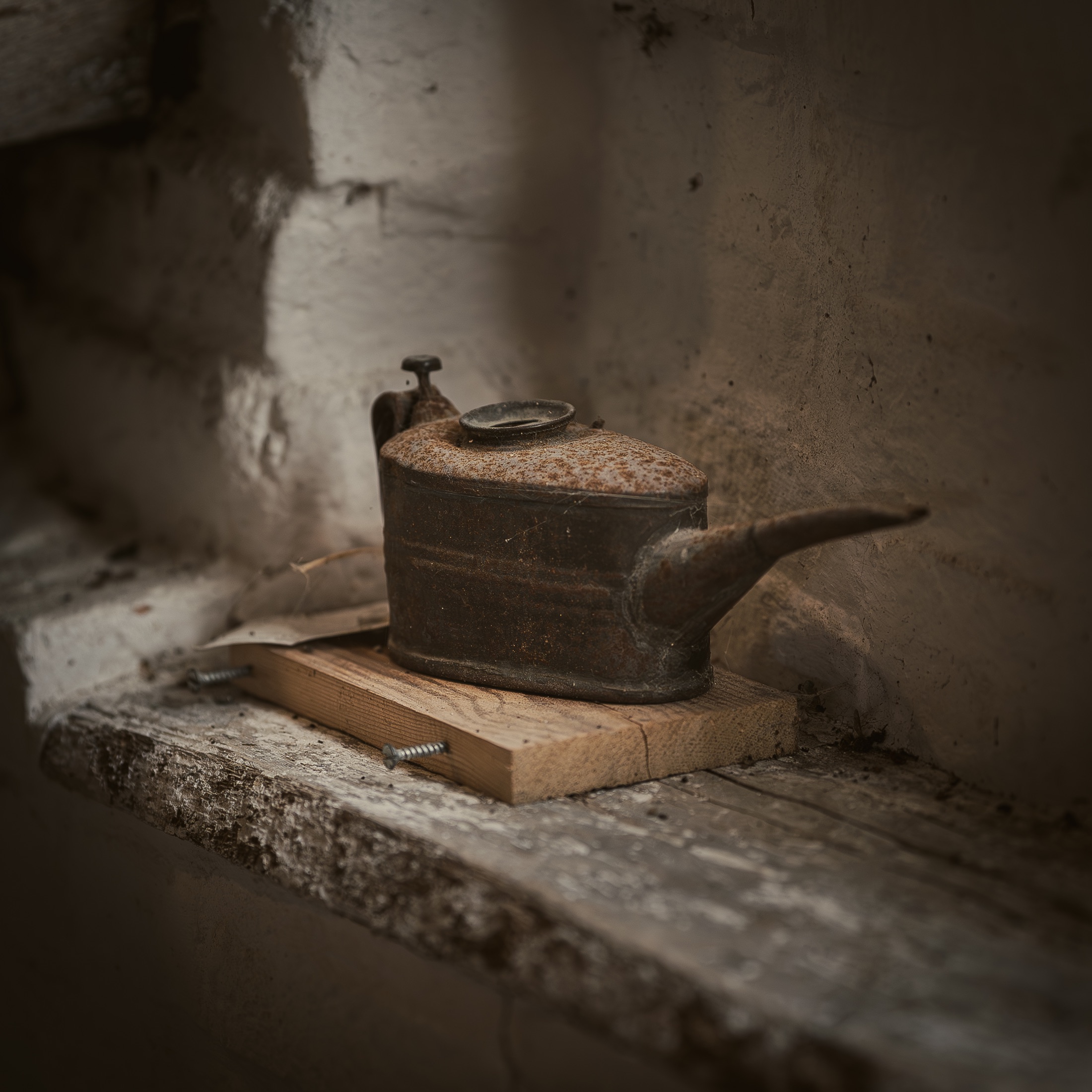
Interior machinery detail inside Cogglesford Mill.

What Claw noticed

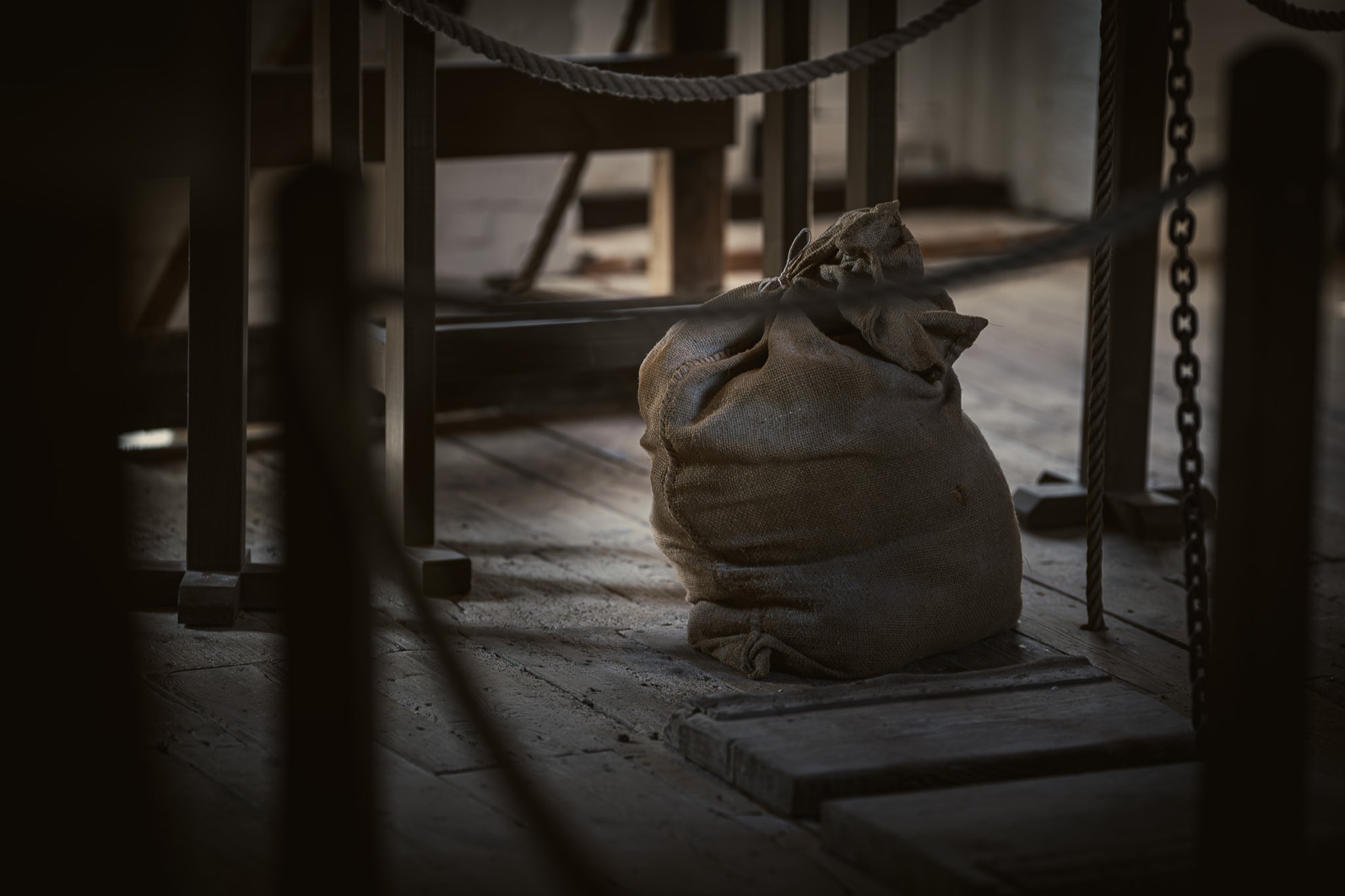
The set keeps repeating the same grammar: vertical movement, tied rope, iron stops, timber edges, sacks, water and light. That repetition is the structure of the exhibit.

A route and water-edge image from the Cogglesford Mill set.

What we can evidence

Official sources describe Cogglesford as a working watermill on the River Slea with milling days, guided history tours and visitor information. This page links out for those details.

Dig

Official information stays official.

For opening times, events, booking, tours and full visitor information, use the official sources. Damen Hartley keeps this page as a photographic and interpretive companion.